How Muay Thai Changed My Life
In 2006, I walked down the stairs of a small gym in Gorizia, Italy, without knowing that decision would change my life forever.
I still remember the sound of Giorgio's kicks landing on the pads, the shouting during training sessions, and the echo that filled that small gym. The sharp smell of Thai oil mixed with sweat and the unmistakable odor of well-worn training shoes.
That was where it all began.
Giorgio Petrosyan trained in that gym. At the time, he was not yet the legend the world knows today, but to those of us who were there, it was already clear that he was something different.
As for me, I was just a curious young woman looking for something real.
I didn't yet know what Muay Thai truly was. I had no idea that it would eventually take me from Italy to Thailand, into the rings of Myanmar, and into some of the most important stadiums in the world.
But it all started there. In what I have always called "the tiger's den."
The Early Days at SGN
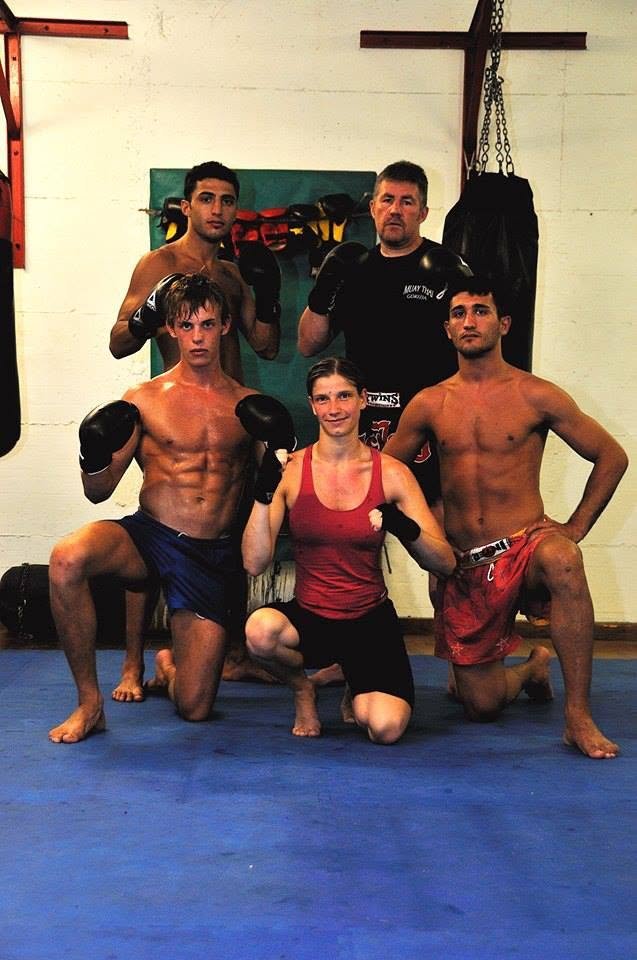
The gym was called Satori Gladiatorum Nemesis, or simply SGN.
It was very different from the typical fitness gyms. There were no modern machines, only one mirror used for shadow boxing, no air conditioning, and a very basic heating system. Just heavy bags, sweat, hard work, and people who truly lived and breathed the sport.
Before discovering Muay Thai, I had spent many years practicing artistic gymnastics. Sport had always been a part of my life, but by then I had grown tired of commercial fitness classes and soulless workouts. I was looking for something that could truly challenge me.
It was my boyfriend at the time, Beppe, who introduced me to Muay Thai. He had started training there almost by accident when the boxing gym he attended in Gorizia temporarily closed.
He told me about a young Armenian fighter named Giorgio Petrosyan, who trained alongside his brother and who, at only 21 years old, was already competing at the highest level and was widely regarded as an exceptional talent.
The first time I saw Giorgio fight, I was struck by the controlled violence of his strikes, his technique, and the intensity he brought into the ring. I still remember a fight against Shemsi Beqiri at the Unione Ginnastica Goriziana gym, which ended with his opponent's arm destroyed by powerful middle kicks.
But more than the fights, it was the atmosphere of the gym that left a lasting impression on me.
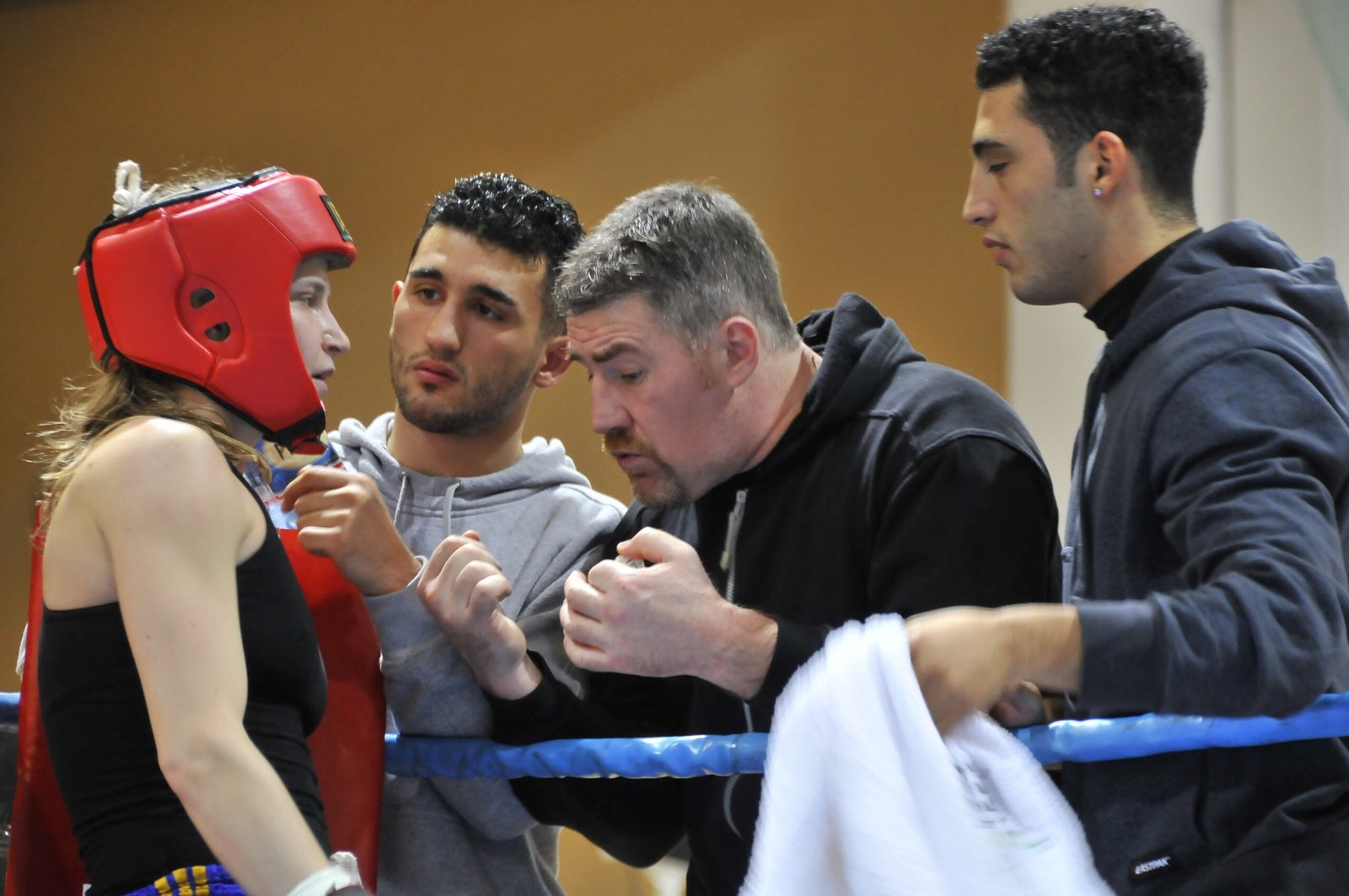
I was still a little intimidated the first time I walked in. I remember Alfio Romanut holding pads for Giorgio, the sound of the strikes filling the room, while I stood quietly at the back of the gym, completely inexperienced.
Today, I still have an old video from that moment. Watching it now is emotional, because that's where everything began.
Muay Thai as a School of Life
From the very first training sessions, I realized that Muay Thai was much more than a sport.
It was discipline. It was confronting your own limits. It was learning to stay when every part of you wanted to quit.
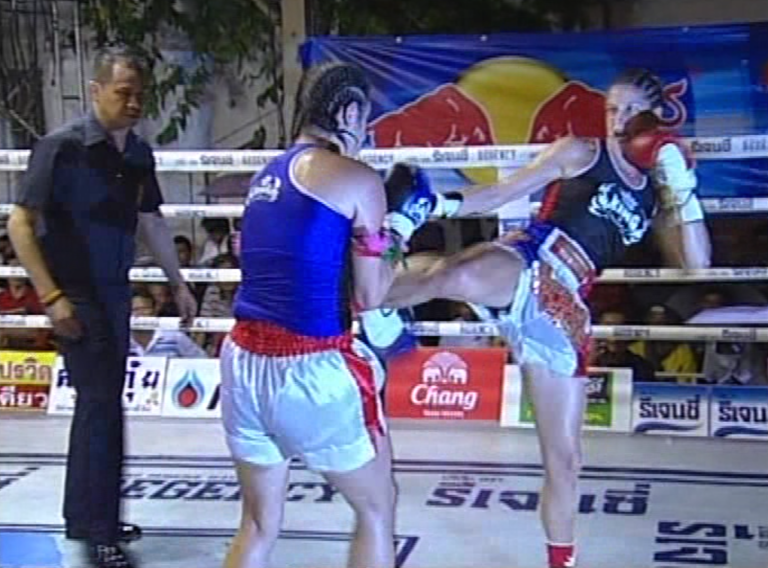
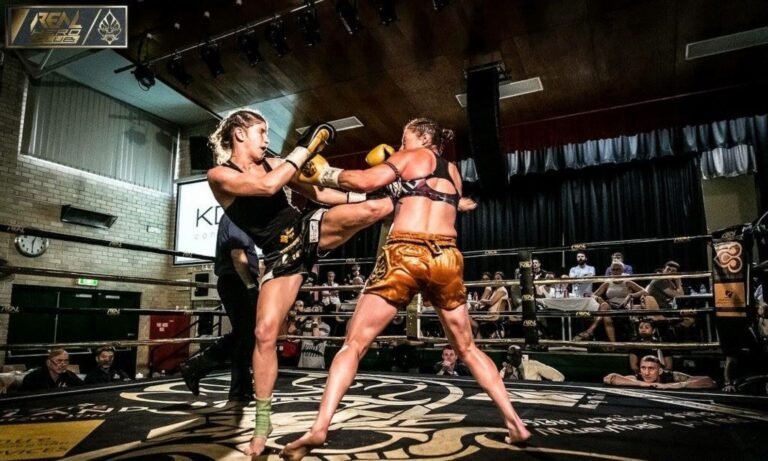
Over time, that journey took me far beyond that small gym in Gorizia. It brought me to Thailand, into traditional gyms, onto the rings of historic stadiums, and through more than 80 professional fights.
There were brutal training sessions, weight cuts, injuries, long bus journeys through northern Thailand, difficult defeats, and moments when walking away would have been the easier choice.
But Muay Thai taught me something fundamental: Growth is not about becoming invincible. It is about continuing to move forward when life becomes difficult.
From Italy to Thailand
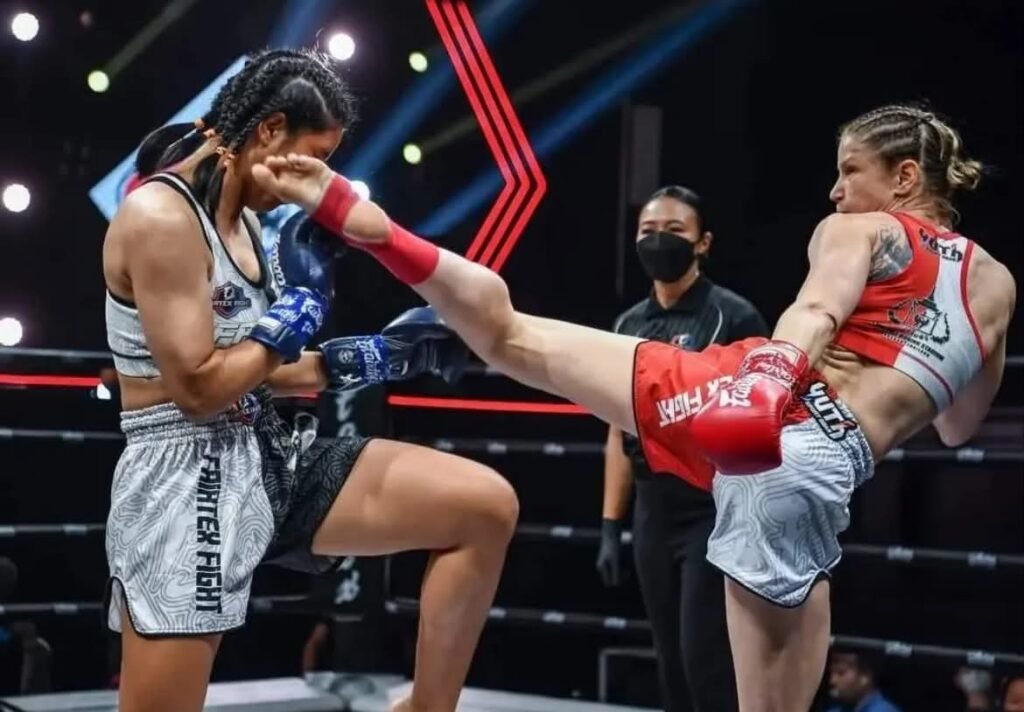
What began as simple curiosity slowly became a way of life.
Thailand became home. Muay Thai became the center of my existence.
Over the years, I have had the opportunity to compete on some of the sport's most prestigious stages, becoming the first Italian woman to fight at Lumpinee Stadium, the first and only Italian woman to compete in Lethwei in Myanmar—one of the toughest combat sports in the world—and one of the few Italian fighters to truly experience the reality of Muay Thai life in Thailand.
Not the Thailand of holidays and tourism. But the Thailand of daily training, Muay Thai camps, early-morning wake-up calls, and foreign fighters trying to earn their place within a culture that is not their own.
And it is from this journey that Jiko Kaizen was born.
Jiko Kaizen: Continuous Improvement
In Japanese, Jiko Kaizen means "continuous self-improvement."
To me, Muay Thai has always represented exactly that.
Not just victories or titles. But an ongoing process of personal transformation.
One training session at a time. One fight at a time. One journey at a time.
This blog was created to share everything that exists both inside and outside the ring:
- the real life of a fighter
- Thailand from the inside
- personal growth through Muay Thai
- the challenges, sacrifices, and experiences that come with this sport
Because Muay Thai, at least for me, has never been just about fighting.
It became the way I learned to face life itself.
Conclusion
When I think back to the young woman who timidly walked down those stairs at SGN in 2006, I barely recognize her.
She could never have imagined that that small basement gym would take her to the other side of the world, into some of the most iconic Muay Thai stadiums, and through some of the most difficult and transformative experiences of her life.
But perhaps that is the beauty of Muay Thai.
It changes you before you even realize it.
One training session at a time. One fight at a time. One scar at a time.